Why Gutter Installation Matters in Arkansas
Gutter installation is a critical component of home protection, especially in Arkansas, where weather conditions can be uncertain and extreme. The right gutter systems help manage rainwater, preventing water damage to your home’s foundation, walls, and roof. In Arkansas, where heavy rainfall is regular, especially in areas like Little Rock and Fort Smith, having a reliable gutter system is crucial.
Arkansas experiences a warm and moist climate, with hot summers and mild winters. This means the state sees a lot of rain throughout the year, and sudden storms can bring heavy downpours. Without proper gutter installation, water can run over, leading to erosion, basement flooding, and even structural damage. In regions like the Ozark Mountains, the topography can make water runoff more complex, requiring tailored solutions.
Homeowners in Arkansas need to understand the importance of expert installation. A well-installed gutter system ensures that water is directed away from the home efficiently. This is especially important in areas like the Fayetteville region, where hail and wind can result in additional stress on roofing and gutter systems. Spending in quality gutter installation is not just about preventing damage—it’s about protecting your home and its value.
Common Gutter types Used in Arkansas
When it comes to gutter installation in Arkansas, the variety of gutter setup you opt for can greatly impact its performance. Two of the most common kinds are K-shaped gutters and half-moon gutters. K-profile gutters are favored due to their modern appearance and ability to store more liquid, making them perfect for regions with heavy precipitation. These gutters are typically constructed from materials like aluminium or iron, which are durable and ideal for the Arkansas environment.
Semi-circular gutters, meanwhile, have a more classic look and are often used in vintage or older residences. While they may not contain as much rainwater as K-style gutters, they may still be capable when adequately installed. In Arkansas, where the climate can be unpredictable, the selection of gutter variety should be based on the particular requirements of the home and the regional climate.
Metal-based gutters are an alternative favored option in Arkansas. They are famous for their sturdiness and durability, making them a solid option for residences in locations with frequent gales or significant downpours. Aluminum, iron, and copper are the most frequent metals used. Each has its own benefits—aluminum is low weight and immune to corrosion, steel is strong but may need extra service, and brass provides a unique look that can improve a home’s visual appeal.
In the Arkansas area, the climate acts a crucial role in determining which gutter variety is optimal. For example, in the Hot Springs zone, where thermometer variations are common, metallic gutters can handle the strain of altering conditions. In areas like Fort Smith, where intense rain is frequent, K-style gutters may be the optimal option due to their higher water capacity.
Best Materials for Gutter Installation in Arkansas
Choosing the right materials for gutter installation in Arkansas is crucial to ensuring long-term performance and durability. Aluminum is one of the most popular choices due to its lightweight nature, resistance to rust, and affordability. It is well-suited for the Arkansas weather, which can range from heavy rain to occasional hail. Aluminum gutters are also easy to install and maintain, making them a practical option for many homeowners.
Metal gutters are another option, known for their strength and ability to withstand harsh weather. However, they are more prone to rust and corrosion unless coated with a protective finish. In Arkansas, where the climate can be humid and rainy, iron gutters may require more maintenance than other materials. That said, they can be a good choice for homes in areas with extreme weather conditions.
Copper gutters are a premium option that offers both durability and aesthetic appeal. They are resistant to corrosion and can last for decades with minimal maintenance. While they are more expensive than sheet metal or steel, metal gutters can add a unique touch to a home’s exterior. In the Arkansas region, where the climate can vary, metal gutters are a reliable choice for homeowners who want both functionality and style.
The Arkansas weather, with its mix of rain, temperature fluctuations, and occasional storms, makes material selection even more important. Aluminum is often the go-to choice for its balance of cost, durability, and performance. In areas like the Ozark Mountains, where the terrain can affect water flow, the right material can make a big difference in how well the gutter system functions.
Weather Aspects for Gutter Installation in Arkansas
Arkansas is known for its fluctuating weather, which can have a significant impact on gutter installation. The state experiences heavy rainfall, especially during the early summer months, which can lead to water collection and potential damage if gutters are not properly installed. In areas like Little Rock and Fort Smith, where rainfall is frequent, it’s vital to ensure that gutters are sized properly and placed to handle substantial volumes of water.
Thermal variations in Arkansas can also impact the operation of gutters. During the frosty months, freezing temperatures can result in ice dams, which can result in water accumulation and harm. In the Spring Hot area, where thermal fluctuations are greater common, gutters must be designed to handle both intense rain and the potential for frozen buildup. This means choosing components that can withstand these conditions and making sure that the installation includes proper insulation and runoff methods.
Storm harm is another problem for property owners in Arkansas. The state is prone to lightning storms, which can provide intense winds and intense rain. In areas like Fayetteville, where ice pellets and gales are more regular, gutters must be reinforced to withstand these conditions. A professional setup that addresses these elements can assist prevent injury and ensure that the gutter system works efficiently throughout the year.
In the Arkansas region, grasping the regional climate is vital when planning for gutter installation. Regardless it’s managing with the heavy spring downpours in Little Rock or the heat swings in Spring Hot, the correct method to setup can generate a big impact in the endurance and function of the gutter system.
The Gutter installation in Arkansas
Professional placement is key to ensuring that your gutter system functions properly in Arkansas. The process typically begins with measuring the home’s perimeter to determine the length and number of gutters needed. This step is crucial, as inaccurate measurements can lead to gaps or overlaps that compromise the system’s effectiveness.
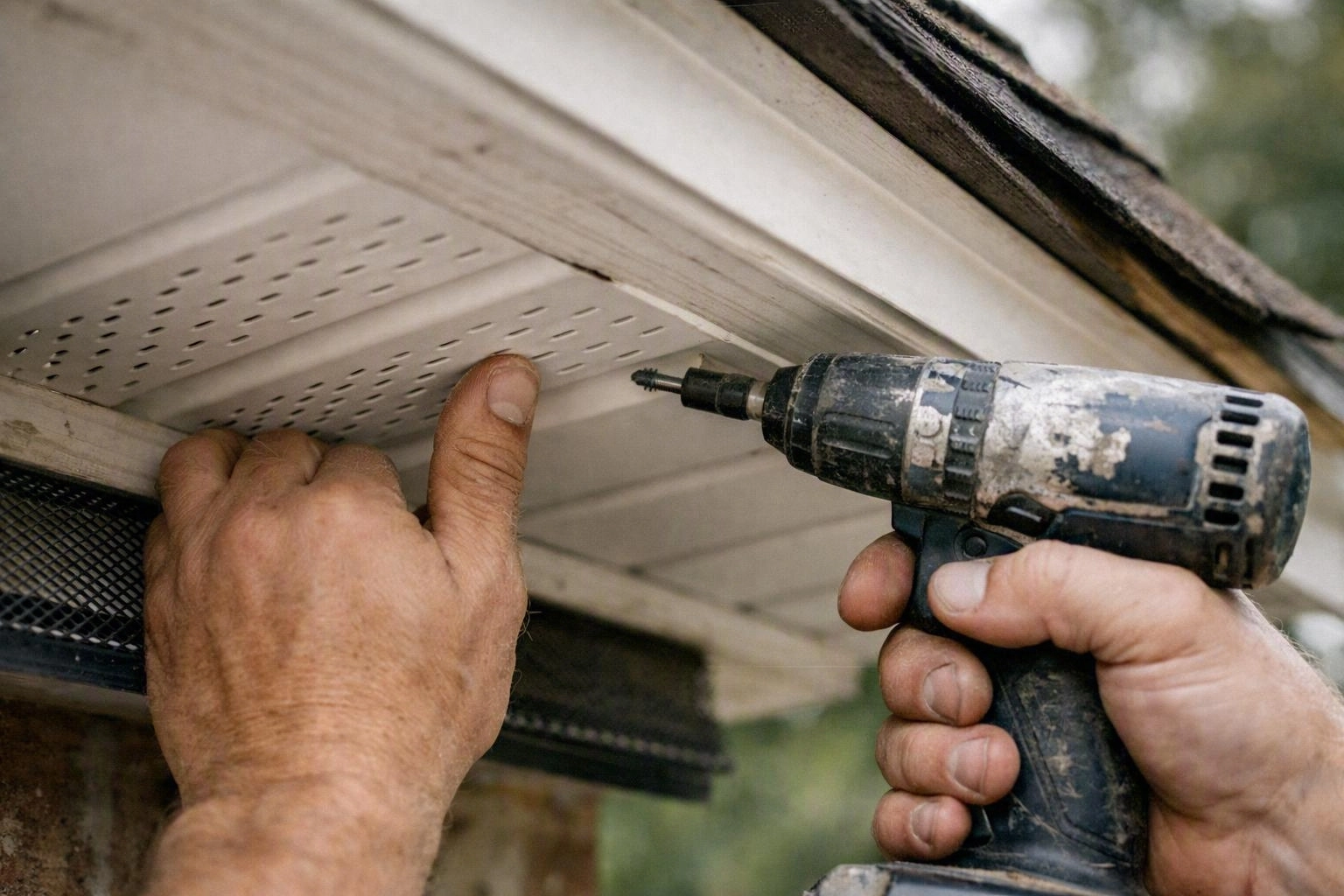
Once the measurements are taken, the next step is to install the gutters. This involves securing them to the fascia board using brackets and fasteners. In Arkansas, where weather conditions can vary, it’s important that the placement is done with care to prevent future issues. For example, in the Ozark Mountains, where the terrain can be uneven, the placement process may require additional adjustments to ensure proper water flow.
Downspouts are then placed to direct water away from the home. The placement of downspouts is critical, as they must be positioned to carry water to a safe distance from the foundation. In areas like the Fayetteville region, where hail and wind are common, downspouts should be reinforced to prevent damage. Proper installation of downspouts also helps prevent water from pooling near the home, which can lead to erosion and foundation problems.
After the gutters and downspouts are in place, the final step is to verify the system. This involves running water through the gutters to ensure that it flows smoothly and is directed away from the home. In Arkansas, where the climate can be unpredictable, a thorough check is essential to identify any potential issues before the rainy season begins.
For Arkansas homes, the setup process should be handled by experienced professionals who understand the local climate and topography. Companies like AGM Gutters have the experience needed to ensure that your gutter system is installed correctly and will perform well for years to come.
Cost of Gutter Installation in Arkansas
The cost of gutter installation in Arkansas can vary depending on several elements, including the type of materials used, the size of the home, and the complexity of the installation. On average, homeowners can expect to pay between $5 and $15 per linear foot for experienced installation. https://pad.stuve.de/HUwdvQmFSiiaAaqt9ucW9Q This range accounts for both materials and labor, with the total cost depending on the specific needs of the residence.
Material costs are a significant factor in the in general price. Aluminum gutters are typically the most affordable option, while steel and copper can be more costly. In Arkansas, where the climate can be harsh, investing in higher-standard materials may be more cost-reliable in the long run. For example, in the Hot Springs area, where temperature fluctuations are typical, durable materials like steel or copper may be a better choice, even if they come with a higher upfront cost.
Labor expenses also play a role in the total cost. Experienced installation makes sure that the setup is installed correctly and functions as intended. In areas like the Ozark Mountains, where the terrain can be challenging, labor costs may be higher due to the additional time and effort required. Similarly, in the Fayetteville region, where hail and wind are common, the installation process may require extra precautions, which can affect the overall price. https://pad.koeln.ccc.de/-2AtCy6DT2udlAISQGT7TA
Homeowners in Arkansas should also consider the long-term value of their investment. While a lower-cost option may seem appealing, it’s important to weigh the potential for future repairs and replacements. In the Arkansas region, where the weather can be unpredictable, a well-installed gutter system can save money in the long run by preventing damage and reducing maintenance needs.
Gutter care Guidelines for Arkansas property Owners
Keeping your gutter setup is essential to making sure it operates effectively in Arkansas. The region encounters significant rainfall mainly in areas like Little Rock and Fort Smith, which indicates gutters can turn into clogged with leaves, waste, and other materials. Regular cleaning is required to avoid blockages that can cause to liquid overflow and damage to the house.
The cleaning frequency for gutters in Arkansas varies on the adjacent area. Residences near trees or in regions with significant foliage may need more regular cleaning, especially during the autumn when plant matter are plentiful. In the Ozarks Hills, where the geography can impact liquid flow, it’s vital to inspect gutters more often to ensure they are functioning as planned.
Clogged gutters can lead to a range of challenges, like roof injury, foundation challenges, and underground overflow. In the Fayetteville zone, where ice and currents are frequent, filled gutters can be mainly problematic. Water that isn’t effectively guided away from the home can trickle into the foundation, causing extended damage. Frequent upkeep supports prevent these problems and ensures that the gutter system continues to perform successfully.
In the Arkansas zone, residents should also check their gutters for indications of damage and damage. This covers reviewing for drips, cracks, and loose clips. In regions like Hot Springs, where thermometer variations are frequent, materials can expand and contract, resulting to likely injury. Dealing with these problems promptly can avoid additional high fixes later.
Arkansas Building Codes for Gutter Installation
Gutter installation in Arkansas must comply with local building codes and regulations to ensure security and functionality. These codes are developed to secure homeowners and ensure the integrity of the community’s system. Grasping and following these rules is critical for anyone intending to install or replace gutters.
Arkansas guidelines necessitate that gutters be installed in a way that channels water away from the home’s base. This includes proper gradient and location of downspouts. In locations like Little Rock and Fort Smith, where heavy rainfall is frequent, compliance with these codes is specifically crucial to avoid liquid injury and erosion.
Municipal codes also determine the substances that can be applied for gutter placement. For instance, some areas may necessitate unique types of alloy or materials that are capable to the municipal climate. In the Ozarks Ranges, where the terrain can be hard, the codes may have additional conditions to confirm that gutters can deal the distinct situations of the area.
Security guidelines are another critical part of Arkansas building codes. Installers must follow correct safety procedures to safeguard both themselves and the property owner. This includes applying appropriate tools and methods to avoid accidents during the installation method. In the Fayetteville location, where hail and breeze are usual, these rules help confirm that gutters are installed in a way that can endure intense conditions.
Permits may be required for gutter placement in some regions of Arkansas. Property owners should check with regional authorities to identify if a permit is necessary before commencing the work. This step supports confirm that the installation meets all essential requirements and stops potential court problems. In the Hot Spring location, where temperature fluctuations are common, permits may be required to ensure that the placement is executed properly and safely.
What are the most common types of gutters used in Arkansas?
In Arkansas, k-profile gutters and semi-circular gutters are the most common types used for residential installations. K-style gutters are popular due to their ability to hold more water, making them ideal for areas with heavy rainfall. Half-round style gutters, on the other hand, offer a more traditional look and are often used in older homes or in regions with specific aesthetic preferences.
How do climate conditions in Arkansas affect gutter installation?
The climate in Arkansas, with its heavy rainfall and temperature fluctuations, plays a significant role in gutter installation. Areas like Little Rock and Fort Smith experience frequent spring rains, which require gutters to be sized correctly and installed with proper slope. In the Hot Springs area, where temperature swings are common, components and installation techniques must be chosen to withstand these conditions.
What materials are best suited for Arkansas weather?
Aluminum is one of the best materials for gutter installation in Arkansas due to its lightweight nature, resistance to rust, and affordability. Steel and copper are also options, with steel offering strength and copper providing durability and aesthetic appeal. The choice of material should be based on the specific climate and needs of the home.
What is the typical cost of gutter installation in Arkansas?
The average cost of gutter installation in Arkansas ranges from $5 to $15 per linear foot, depending on components and labor. Aluminum-based gutters are typically the most affordable, while steel and copper can be more expensive. Effort costs may also vary depending on the complexity of the installation and the local climate conditions.
What are the steps involved in professional gutter installation?
Professional gutter installation in Arkansas typically begins with measuring the home’s perimeter to determine the length and number of gutters needed. The gutters are then installed using brackets and fasteners, followed by the installation of downspouts to direct water away from the home. A final evaluation is conducted to ensure the system functions properly and handles the local weather conditions effectively.